The Craft Chocolate-Lover's Guide to Paris
$20 USD
Buy guide
This guide includes 121 places.
What's Inside the Guide
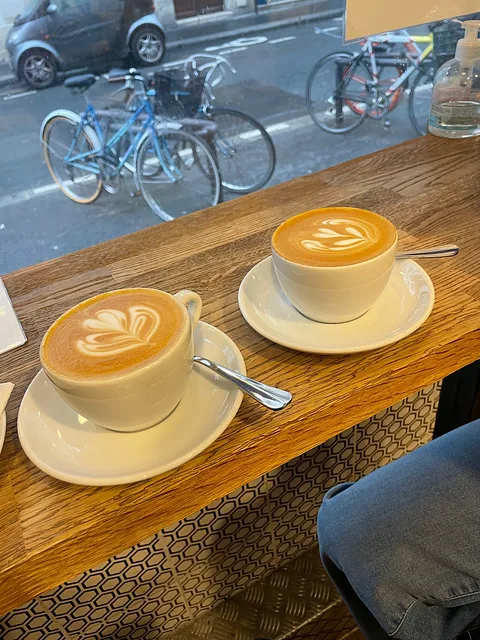
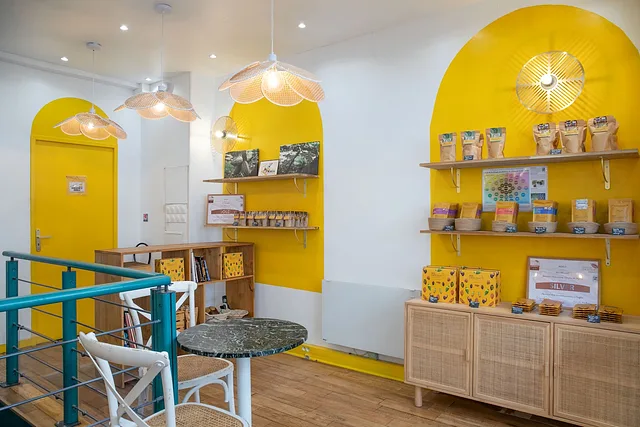
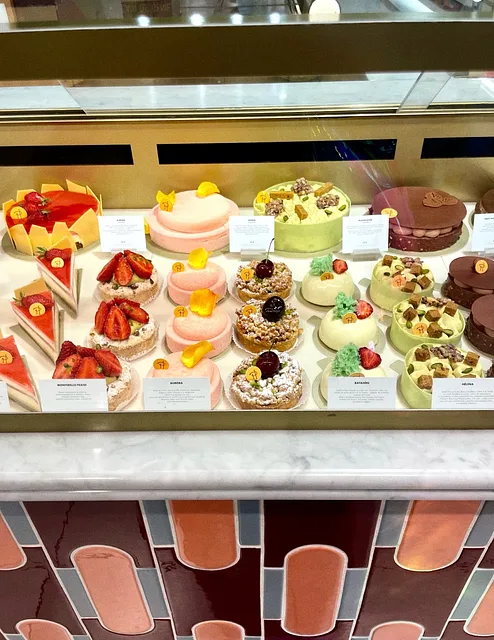
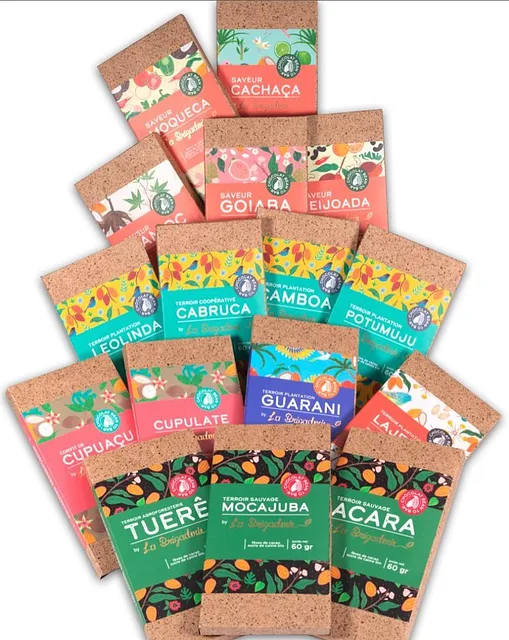
Step-by-step Itineraries
Dear bean-to-bar chocolate-lover,
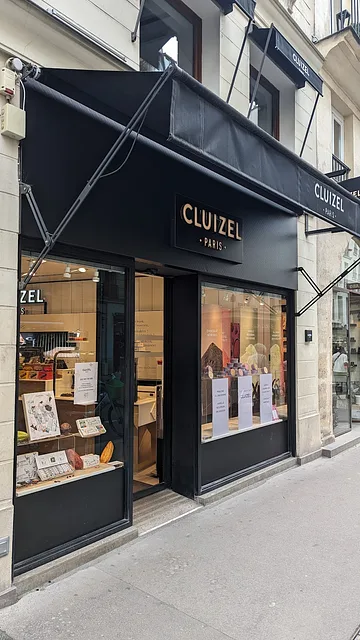
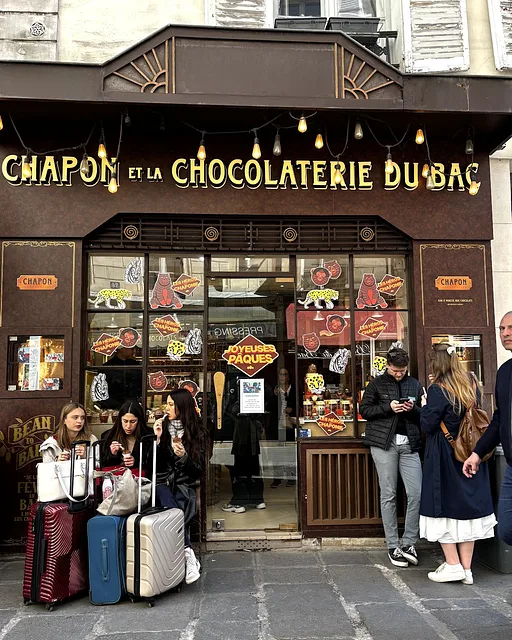
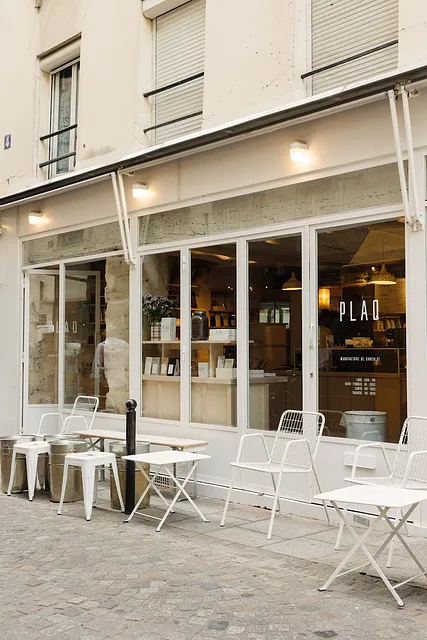
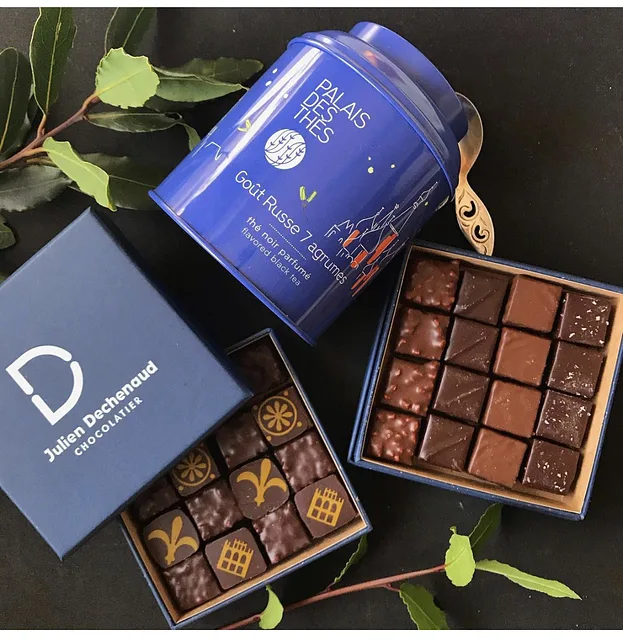
In this guide, you'll find my favorite chocolate shops in the City of Light. Whether you have a couple of hours or several days to spend in Paris, the itineraries in this guide will take you to my favorite chocolate shops in the City of Light. While the focus is on bean-to-bar chocolate, you'll also discover chocolatier shops that share the same commitment to quality and transparency as the craft chocolate movement. My goal with this guide is to answer one of the questions I’m asked the most: “What are your favorite chocolate shops in Paris?” Well, here’s your answer. Happy tasting!
~ Estelle Tracy, founder of 37 Chocolates
~ Estelle Tracy, founder of 37 Chocolates

About the author
Estelle Tracy is a chocolate sommelier based in Kennett Square, Pennsylvania. Originally from France, she discovered the world of bean-to-bar chocolate after reviewing 37 chocolate bars in honor of her 37th birthday on Halloween 2015. The challenge opened her eyes to the unique flavors, stories, and makers behind craft chocolate. Since then, she’s shared this world with others through hundreds of chocolate tastings to thousands of people around the globe.
Estelle is also the author of a food survival guide for French people in the U.S. and the founder of 37 Chocolates, a chocolate education company. Learn more at 37chocolates.com.
FAQs
What's the best time of the year to visit Paris?
My favorite months to travel are April and May, then October and November. June has become a pretty warm month in the city, and if your chocolate stash includes pralinés and ganaches, they’ll likely turn into fondues by the time you exit the Métro.
What's the best way to navigate the city?
Paris is fortunate to have a dense and pretty reliable public transportation system, so take advantage of buses and subways to get around the city. The first thing I do when I arrive in the city is get a Navigo pass. The video below shows you how to get yours.
Note that children younger than 18 years can ride for 50% off their fare on weekends.
Note that children younger than 18 years can ride for 50% off their fare on weekends.
What are the best days to visit these chocolate shops?
“I wanted to go to that bakery/chocolate shop, but it was closed that day.”
French regulation requires at least a day of business closure per week. Since a lot of food businesses decide to open on Sundays, they usually make up for it by closing Mondays or sometimes Tuesdays.
My advice? Don’t plan your chocolate tour on Monday! If you’ve travelled on a weekend, use Monday to get the lay of the land and order your Navigo public transportation pass. Personally, I think Wednesday’s a good day for chocolate.
You’ll notice that a lot of small shops close for an hour or so around lunch hour, usually around 1:30 PM or 2 PM. Or perhaps I should say 13:30 or 14. Ideally, you’ll want to plan your visit either before noon or after 3 pm.
What are the main French holidays?
Though France is a secular country, some Catholic holidays are considered holidays in France. If a holiday falls on a Tuesday, it’s customary to take Monday off for a long weekend. This is known as “faire le pont“ or “bridging.“ May is especially packed with holidays, so make sure to plan your trip accordingly.
French holidays include:
- January 1 — New Year’s Day (Jour de l’an)
- Date varies: Easter Monday (Lundi de Pâques)
- May 1st: Labor Day (Fête du premier mai)
- May 8: (Armistice, Victoire des Alliés, World War II Victory Day
- Ascension Day (Jour de l’Ascension is observed 40 days after Easter)
- Whit Monday – also known as Pentecost Monday (Lundi de Pentecôte) falls 50 days after Easter Monday, usually between May 10 and early June 13
- July 14: Bastille Day (Fête nationale)
- August 15: Assumption of the Blessed Virgin Mary (Assomption)
- November 1: Saints’ Day (La Toussaint)
- November 11: Veteran’s Day (Armistice 1918 World War I)
- December 25: Christmas Day (Noël)
I don't speak much French. What are basic greetings I can use?
French people don’t kid around with manners. When I was 6 years old, I went to the local boulangerie (bakery) where I ordered un pain (bread). I hadn’t used s’il vous plaît (please), so the sales clerk scolded me in front of the line of customers.
“They don’t teach you manners at school?” she asked.
I was mortified. Never did I ever forget “s’il vous plaît” since.
There are a few greetings to know to avoid scolding by a boulangerie or chocolatier clerk:
- Bonjour - hello
- S’il vous plait - please
- Merci - thank you
- Au revoir - goodbye
May the heavens help you if you skipped the bonjour. Never forget au revoir either, if you ask me.
The video below will help you with pronunciation:
The video below will help you with pronunciation:
How about some basic French chocolate vocabulary?
A chocolate-maker makes chocolate from scratch, i.e., from fermented and dried cacao beans. This requires a lot of skills and equipment, so few artisans are chocolate-makers in Paris. There’s no agreed-upon term to describe a chocolate-maker. Some will go by chocolatier torréfacteur (chocolatier roaster). Cluizel Paris came up and trademarked the term cacaofévier™ . Others use the English term bean-to-bar. One way you can spot a chocolate made from the cacao bean is by checking the list of ingredients: if you see fèves de cacao (cacao beans), the odds are you’re holding the work of a chocolate-maker.
A chocolatier, on the other hand, uses already-made chocolate, typically referred to as couverture chocolate, in truffles, bonbons, or even bars. I often say that chocolate-makers express their personality by making chocolate and chocolatiers by making chocolate confections. In French, chocolatiers are often referred to as chocolatiers (it is, after all, a French word) or fondeur (melter).
What the heck are arrondissements?
Paris is divided into 20 neighborhoods or "arrondissements". Check out the relevant Wikipedia page if you want to get down that rabbit hole. In this guide, I've included the arrondissement for each shop for easy reference.
Can I share this guide with fellow travel companions or friends?
Yes! You can give 1 person access to your guide.
$20 USD
Buy guide